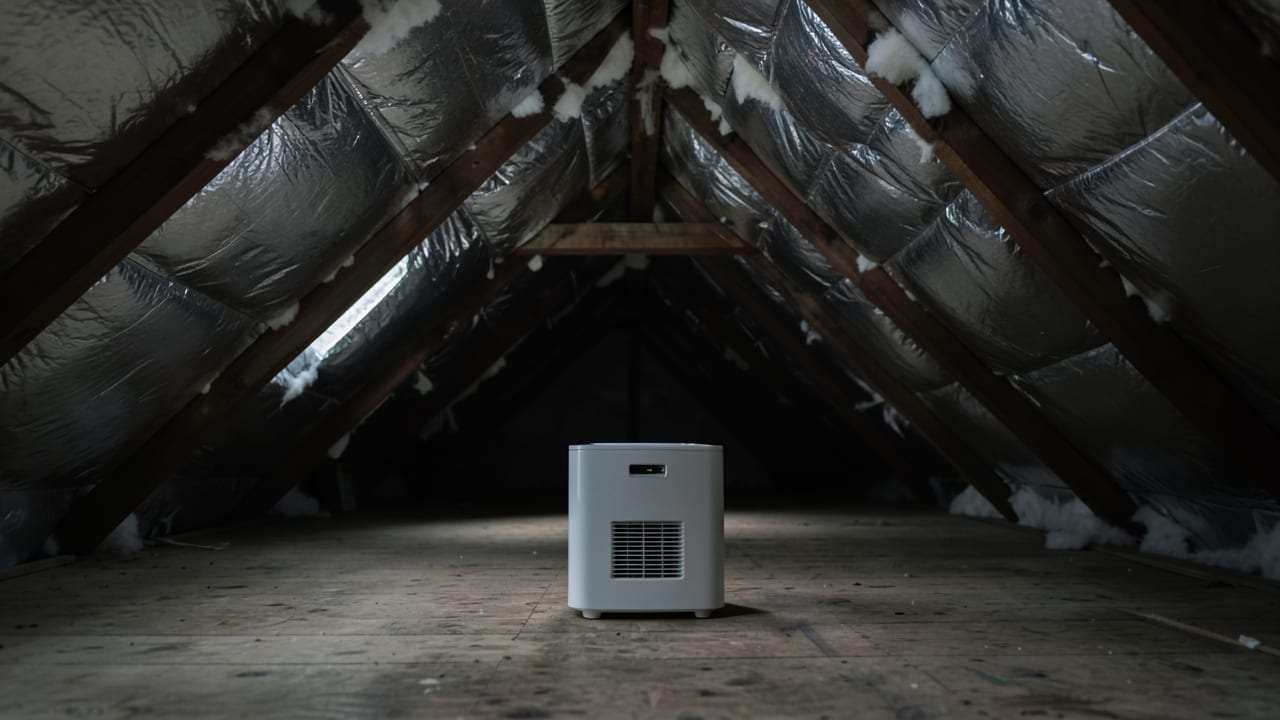
Pre-Winter Mold Prevention
Pre-winter mold prevention involves inspection and treatment to stop mold growth before cold weather.
As Redondo Beach’s winter rains approach, pre-winter mold prevention focuses on sealing leaks, improving airflow, and treating vulnerable areas before moisture buildup leads to hidden growth.
Targeting attics, basements, and crawl spaces, this service helps reduce the risk of mold taking hold in damp, enclosed spaces before colder weather traps humidity indoors.
We also handle Pantry Mold Treatment and Condo Mold Remediation for Redondo Beach properties.
When pre-winter mold prevention is needed
Mold growth often starts small but spreads quickly in damp, poorly ventilated spaces. In Redondo Beach’s coastal climate, attics, basements, and crawl spaces are especially prone to moisture buildup as temperatures drop.
If you’ve noticed a musty smell, visible mold patches larger than a few square feet, or recurring growth after cleaning, it’s a sign the moisture source needs professional attention.
Hidden mold—behind walls, under flooring, or inside HVAC ducts—can spread undetected until it becomes a larger issue. A persistent dampness in windowless rooms, closets, or basements, or a musty odor that worsens when the heating system runs, often indicates trapped moisture feeding mold growth.
Addressing these issues before winter helps prevent long-term damage and costly repairs.
Signs You Need Pre-Winter Mold Prevention
- Mold covering more than a small, isolated patch (typically over 25 contiguous square feet).
- Musty smell in a room with no visible mold—often a sign of hidden growth.
- Recurring mold in the same spot after cleaning, indicating the moisture source wasn’t fixed.
- Persistent dampness in enclosed spaces like basements, closets, or windowless rooms.
- A musty odor that strengthens when the HVAC system turns on, suggesting ductwork contamination.
What affects pricing and timing?
The cost of pre-winter mold prevention depends on the size of the affected area, the type of materials involved, and whether hidden mold or structural moisture issues are present.
In Redondo Beach, typical pricing ranges from $12 to $30 per square foot for standard remediation, with black mold adding an additional 15-25% to the total. Larger jobs or those requiring extensive containment and drying may take longer to complete, especially in tight or hard-to-reach spaces.
Timing matters, too. Addressing issues before winter ensures moisture doesn’t get trapped indoors, but scheduling during peak season (fall) may mean slightly longer wait times. A thorough inspection and moisture source assessment are critical to determining the full scope of work before pricing is finalized.
Why containment and testing matter
During remediation, containment—using plastic sheeting and negative-air machines—keeps mold spores from spreading to unaffected areas of your home. Without proper containment, spores can drift through hallways or HVAC systems, turning a small job into a larger contamination issue.
Similarly, clearance testing after remediation confirms that spore counts are back to normal levels, ensuring the work was effective.
Skipping containment or testing can leave hidden mold unaddressed, leading to regrowth. Professional remediation follows strict protocols to minimize disruption while maximizing safety and long-term results.
In California, while mold remediation doesn’t require a separate license, any job over $500 must be performed by a licensed contractor under the Contractors State License Board (CSLB).
A breach in containment—such as torn plastic, an open door, or improper negative air pressure—can release spores into clean areas, expanding the affected zone. Always ensure the crew uses full containment and HEPA filtration to prevent this.
How pre-winter mold prevention works
This process focuses on sealing leaks, improving ventilation, and treating surfaces before moisture leads to mold growth.
- 1Inspection and Moisture Source Identification
A professional inspects the property for leaks, poor ventilation, or structural issues that trap moisture. Identifying and addressing the root cause—such as a roof leak or condensation problem—is critical to preventing regrowth.
- 2Containment Setup
Plastic sheeting and negative-air machines seal the work area to prevent spores from spreading during removal. This step ensures only the affected zone is exposed to disturbance.
- 3Material Removal or Treatment
Porous materials like drywall or insulation that absorb mold are cut out and bagged, while non-porous surfaces are scrubbed and treated. HEPA-filtered equipment captures spores during this process.
- 4Structural Drying
Industrial dehumidifiers and air movers dry framing and subfloors to normal moisture levels. Mold regrows on damp surfaces even after visible traces are removed.
- 5Clearance Testing
An independent lab tests air or surfaces post-remediation to confirm spore counts are within normal ranges before containment is removed.
Frequently asked questions
How do I know if my mold issue is serious enough to need professional remediation?
If mold covers more than a small patch (typically over 25 square feet), keeps returning after cleaning, or you notice a musty smell with no visible growth, it’s likely time for professional help. Hidden mold—behind walls or in ducts—often requires containment and testing to fully address.
Will pre-winter mold prevention stop mold from coming back?
Preventing regrowth depends on fixing the moisture source—such as leaks, poor ventilation, or grading issues—that caused the mold in the first place. Treating only the visible mold without addressing the root cause often leads to recurrence within months.
How long does the remediation process take?
The timeline varies based on the size of the affected area and whether hidden mold or structural drying is required. Smaller jobs may take a day, while larger or complex remediations can span several days, especially with containment and drying steps.
Do I need to be home during the remediation?
You typically won’t need to be present, but the crew may ask you to limit access to certain areas for safety. They’ll provide guidance on how to prepare your home before the work begins.
Where Redondo Beach sits, and what the Census lists nearby
Redondo Beach sits in California, and the closest places listed in the U.S. Census Gazetteer are Hermosa Beach (1.4 miles north), Torrance (2.9 miles southeast), Manhattan Beach (3.7 miles north), Lawndale (3.8 miles northeast).
Within 25 miles of Redondo Beach the same source lists 85 distinct incorporated places and census-designated places.
Those figures matter for pre-winter mold prevention because they are straight-line distances between Census coordinate points: road mileage between Redondo Beach and Hermosa Beach runs longer than the 1.4 miles shown, which is why quotes for the same job differ between towns that look close together on a map.
Source: U.S. Census Bureau Gazetteer.
See Lennox, CA for more, or check out our full Redondo Beach-area coverage across the area for our complete lineup.
Ready to get started?
Talk to a local mold remediation pro in Redondo Beach — get a written quote.
Other Mold Remediation Services in Redondo Beach
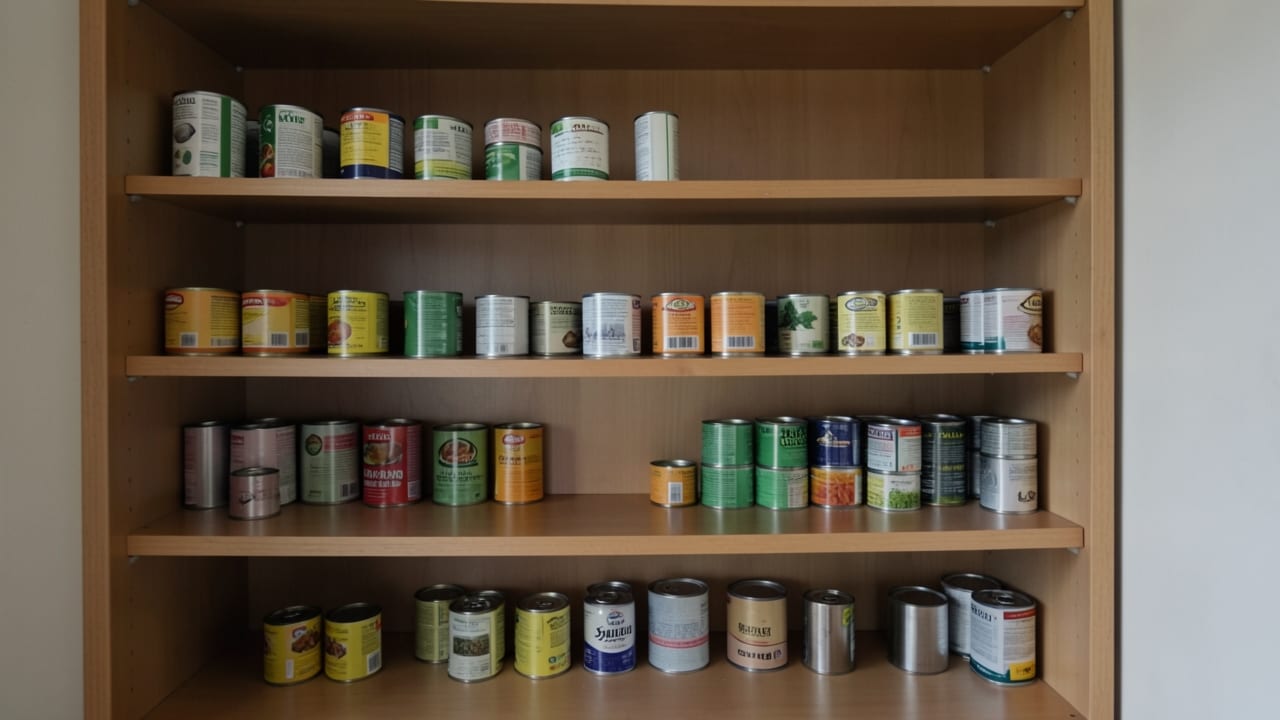
Pantry Mold Treatment in Redondo Beach, CA
Professional assessment and removal of mold in pantry areas to restore a safe, clean space.
Learn More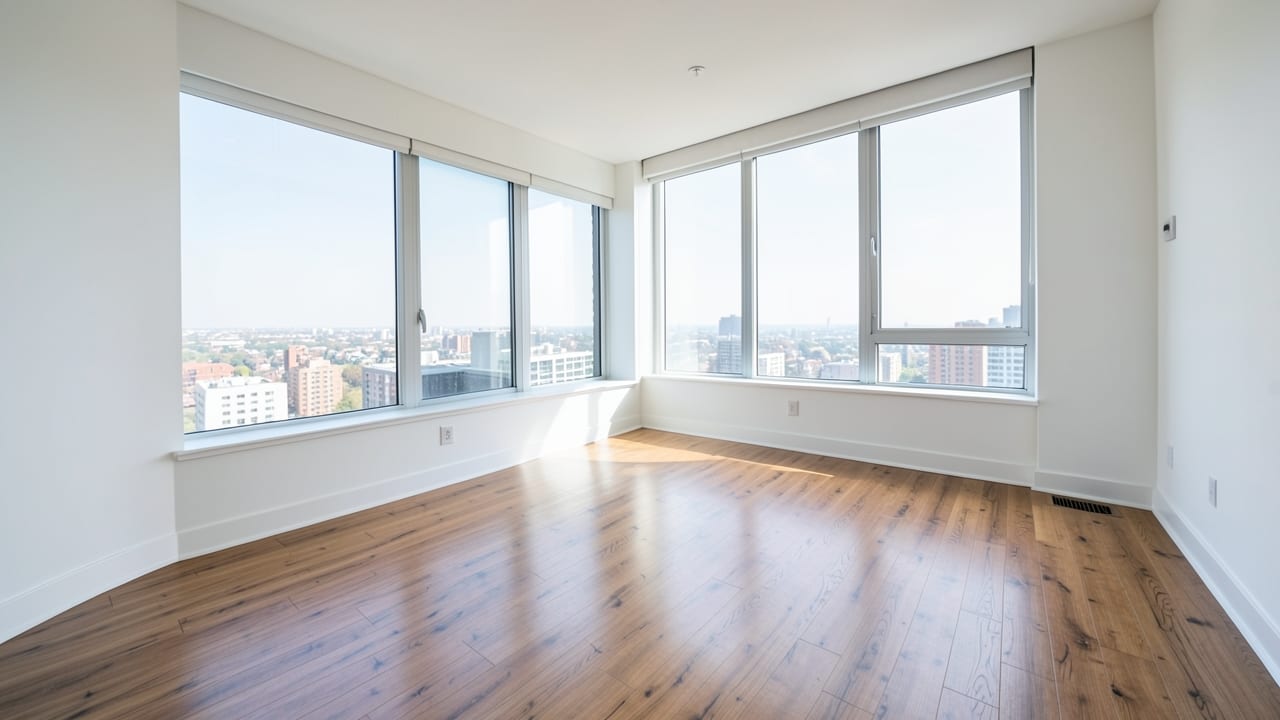
Condo Mold Remediation in Redondo Beach, CA
Professional removal and treatment of mold in condominiums to restore safe, healthy living spaces.
Learn More
Restaurant Mold Remediation in Redondo Beach, CA
Professional mold removal and remediation for restaurant spaces to ensure safety and compliance.
Learn More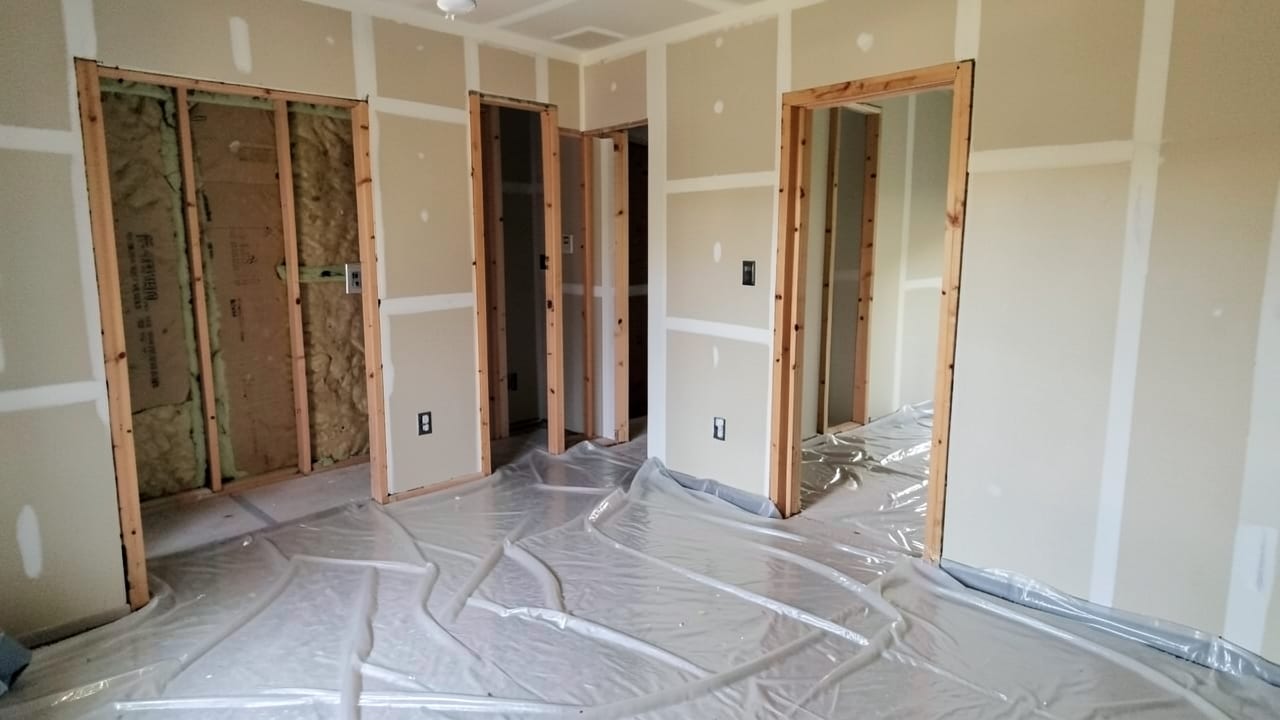
New Construction Mold Remediation in Redondo Beach, CA
Professional mold removal and prevention in newly built homes to ensure safe, clean living spaces.
Learn More
Hotel Mold Remediation in Redondo Beach, CA
Professional removal and treatment of mold growth in hotel properties to restore safe, clean environments.
Learn More
Pet Urine Mold Treatment in Redondo Beach, CA
Professional removal of mold caused by pet urine in homes, including assessment and treatment.
Learn MoreCommon Questions About Mold Remediation in Redondo Beach
Everything you need to know about mold remediation services in Redondo Beach
How much does Pre-Winter Mold Prevention typically cost in Redondo Beach, CA?
Does coastal humidity around Redondo Beach, CA change how mold risk is assessed?
Is black mold actually more dangerous than other mold types?
How long does a typical mold remediation job take?
Is it safe to stay in the home during mold remediation?
Can small mold problems be handled without hiring anyone?
Need Mold Remediation in Redondo Beach?
Connect with local providers in Redondo Beach for a detailed quote.
⏰ We answer your call • Serving all of Redondo Beach and surrounding areas