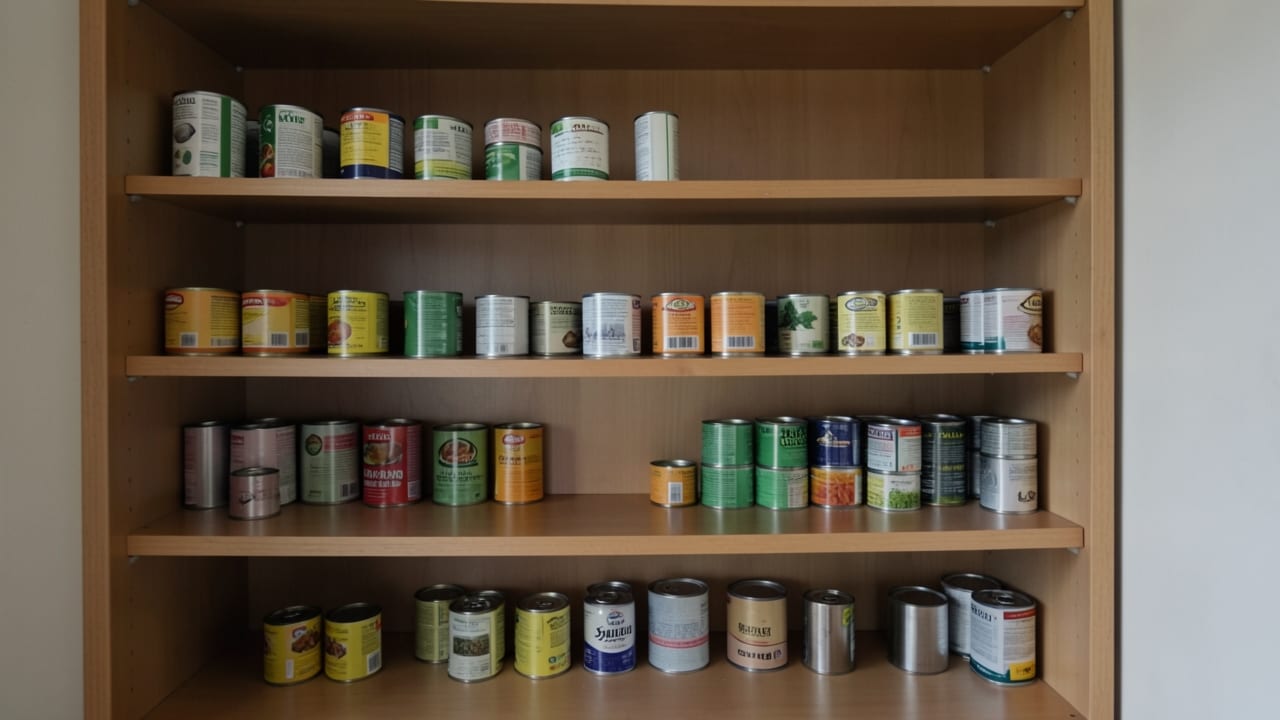
Pantry Mold Treatment
Professional assessment and removal of mold in pantry areas to restore a safe, clean space.
Pantry mold in Redondo Beach homes often goes unnoticed until it spreads, fueled by humidity and poor airflow. Professional treatment involves containment, removal of affected materials, HEPA filtration, and fixing moisture sources to prevent recurrence.
Unlike surface cleaning, full remediation addresses hidden growth and structural conditions to help the finish last longer.
We also handle Stone Countertop Mold Removal and Brick Masonry Mold Treatment for Redondo Beach properties.
When to call for professional treatment
Mold covering more than a small patch (25+ square feet) or returning after cleaning usually means the moisture source isn’t fixed. Musty smells with no visible mold often signal hidden growth behind walls or under flooring—especially if the odor worsens when HVAC runs.
In Redondo Beach’s coastal climate, damp pantries or closets with poor airflow are high-risk areas where mold can regrow quickly if the underlying issue isn’t addressed.
DIY cleaning may remove surface spores, but it won’t stop regrowth. Professional remediation includes containment to prevent spores from spreading during removal, HEPA filtration to capture airborne particles, and structural drying to ensure materials stay dry. Skipping these steps can turn a contained job into a larger, costlier problem.
Signs Your Pantry Mold Needs Professional Help
- Mold covers more than 25 contiguous square feet (California’s threshold for professional work).
- Cleaning the same spot multiple times doesn’t stop regrowth—indicates an unresolved moisture issue.
- Musty smell persists even after visible mold is wiped away, especially when HVAC runs.
- You notice mold in multiple hidden spots (behind shelves, inside walls, or under flooring).
- The area feels damp or sticky to the touch, even after drying attempts.
What affects cost and timeline
Pricing for pantry mold treatment in Redondo Beach typically ranges based on the size of the affected area, material removal needs, and whether black mold is confirmed. Containment, clearance testing, and fixing moisture sources add to the total.
Jobs that require cutting out drywall or insulation take longer than surface scrubbing, and hidden mold behind walls or under flooring can extend both time and cost.
A low upfront quote often skips containment or clearance testing—critical steps to prevent spores from spreading or returning. Always ask for a written scope detailing what’s included, including whether moisture sources will be addressed. Without fixing the root cause, mold can return within months, making the initial treatment less effective.
What to avoid when hiring a remediator
Avoid contractors who rush inspections or pressure you to sign contracts on the spot. Legitimate remediation requires time to assess moisture sources, scope the work, and provide a detailed bid.
Also steer clear of quotes that exclude containment, clearance testing, or fixing the moisture problem—these steps are essential to prevent recurrence.
Red flags include verbal estimates without a written scope, full payment upfront, or bids significantly lower than others for the same square footage. California requires a CSLB license for jobs over $500, so verify licensing directly with the Contractors State License Board before hiring.
Avoid estimates that don’t specify square footage, exclude containment or clearance testing, or lump remediation and moisture-source fixes into a single price. These omissions can lead to hidden costs or regrowth.
How pantry mold treatment works
Professional remediation follows strict containment and filtration protocols to remove mold safely.
- 1Containment Setup
Plastic sheeting and negative-air machines seal the work area to prevent spores from spreading during removal. This step ensures airborne particles stay confined to the treatment zone.
- 2Material Removal or Cleaning
Porous materials like drywall or insulation, which absorb mold, are cut out and bagged. Non-porous surfaces (tile, framing) are scrubbed and treated with antifungal solutions.
- 3HEPA Filtration and Vacuuming
HEPA air scrubbers run continuously to capture airborne spores, and surfaces are vacuumed with HEPA-filtered tools to avoid recirculating particles.
- 4Structural Drying
Industrial dehumidifiers and air movers dry framing and subfloors to normal moisture levels, preventing mold from regrowing on damp materials.
- 5Clearance Testing
An independent lab tests air or surfaces post-remediation to confirm spore counts are back to normal before containment is removed.
Frequently asked questions
My pantry mold keeps coming back after cleaning. What’s the issue?
Recurring mold usually means the moisture source (leaks, condensation, poor airflow) wasn’t fixed. Professional remediation includes addressing these issues to help prevent regrowth. Check for damp spots, blocked vents, or grading problems outside.
Do I need to leave the house during treatment?
You’ll likely need to vacate the area during containment and removal, but the crew will coordinate timing. HEPA filtration and sealing limit exposure, but it’s standard to avoid the space until clearance testing confirms it’s safe.
How long does it take to remediate a pantry?
Surface-level mold on drywall or tile typically takes 1–3 days, while hidden growth or structural issues may extend the timeline. Containment, drying, and testing add time, but rushing these steps can lead to incomplete results.
Will my pantry be usable right after treatment?
The area can’t be used until containment is removed and clearance testing confirms safety. Structural drying may take extra time, and some materials (like insulation) may need replacement. The crew will provide a timeline based on your specific job.
Where Redondo Beach sits, and what the Census lists nearby
Redondo Beach sits in California, and the closest places listed in the U.S. Census Gazetteer are Hermosa Beach (1.4 miles north), Torrance (2.9 miles southeast), Manhattan Beach (3.7 miles north), Lawndale (3.8 miles northeast).
Within 25 miles of Redondo Beach the same source lists 85 distinct incorporated places and census-designated places.
Those figures matter for pantry mold treatment because they are straight-line distances between Census coordinate points: road mileage between Redondo Beach and Hermosa Beach runs longer than the 1.4 miles shown, which is why quotes for the same job differ between towns that look close together on a map.
Source: U.S. Census Bureau Gazetteer.
See Hawthorne, CA for more, or see what's included in our Redondo Beach service from start to finish for our complete lineup.
Ready to get started?
Talk to a local mold remediation pro in Redondo Beach — get a written quote.
Other Mold Remediation Services in Redondo Beach
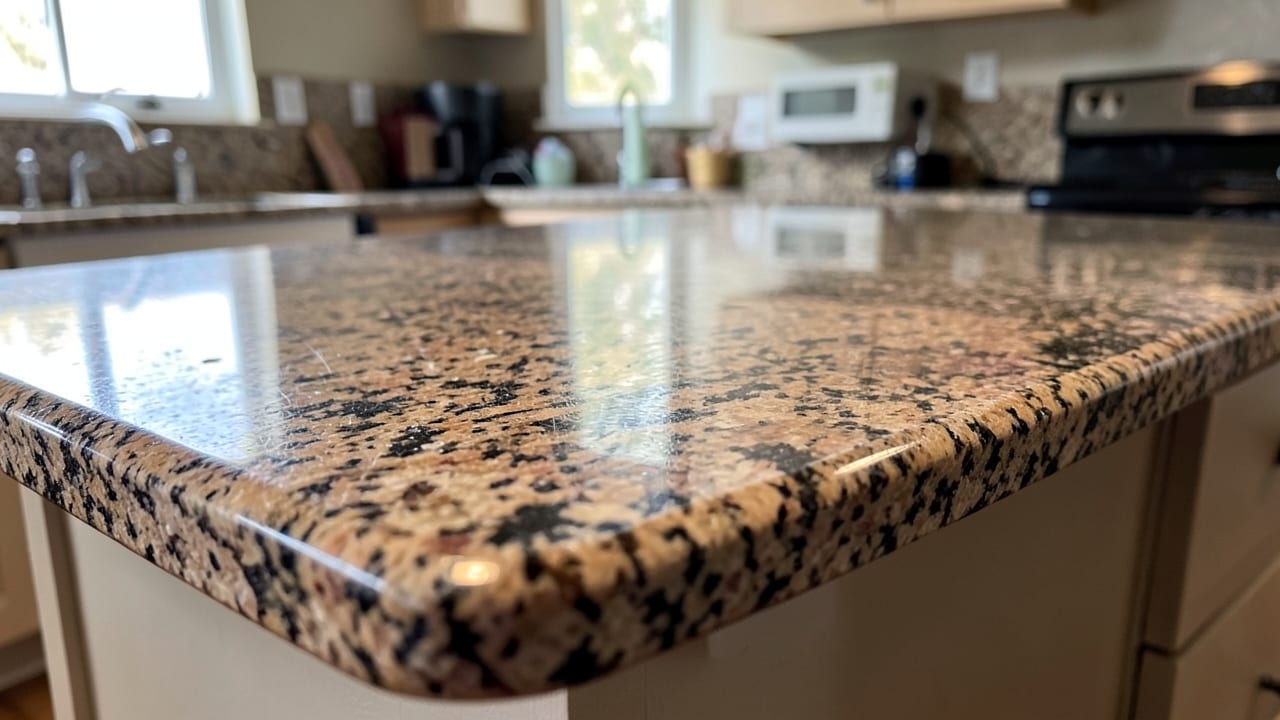
Stone Countertop Mold Removal in Redondo Beach, CA
Professional removal of mold from stone countertops using specialized cleaning and treatment methods.
Learn More
Brick Masonry Mold Treatment in Redondo Beach, CA
Professional mold treatment and removal from brick masonry to restore structural integrity and indoor air quality.
Learn More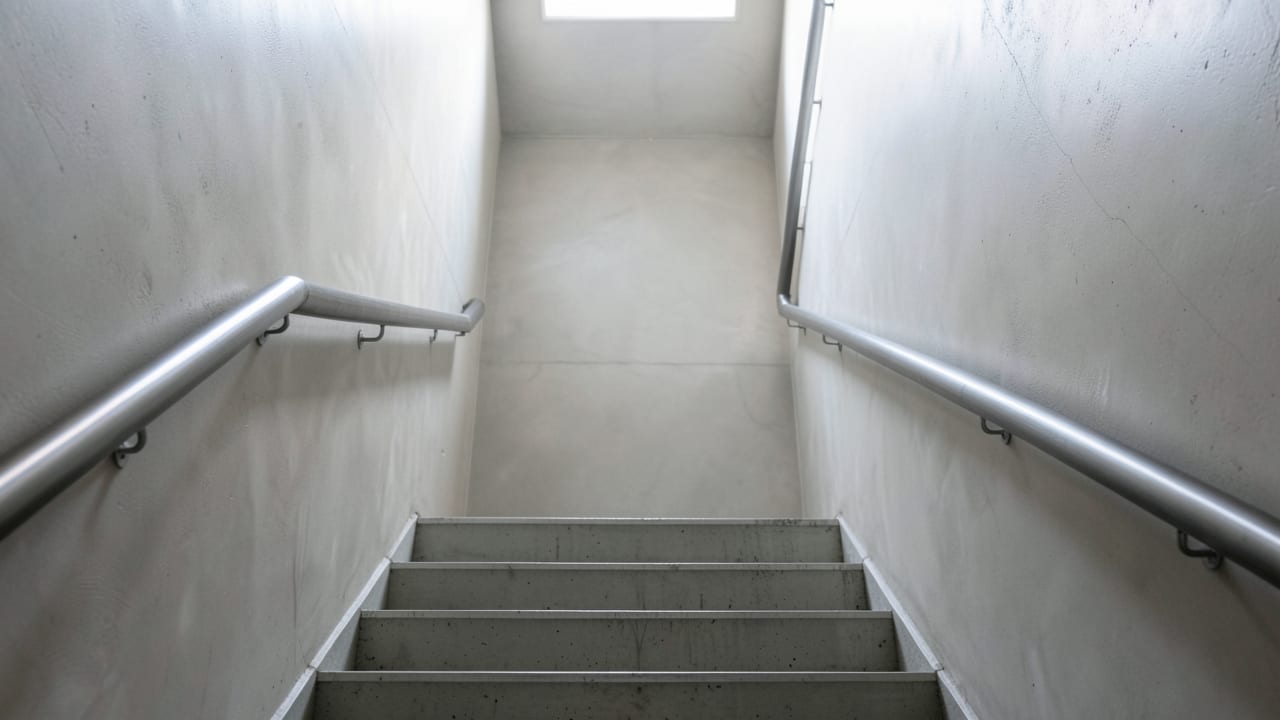
Stairwell Mold Remediation in Redondo Beach, CA
Professional mold removal and prevention in stairwells to restore safe, clean spaces.
Learn More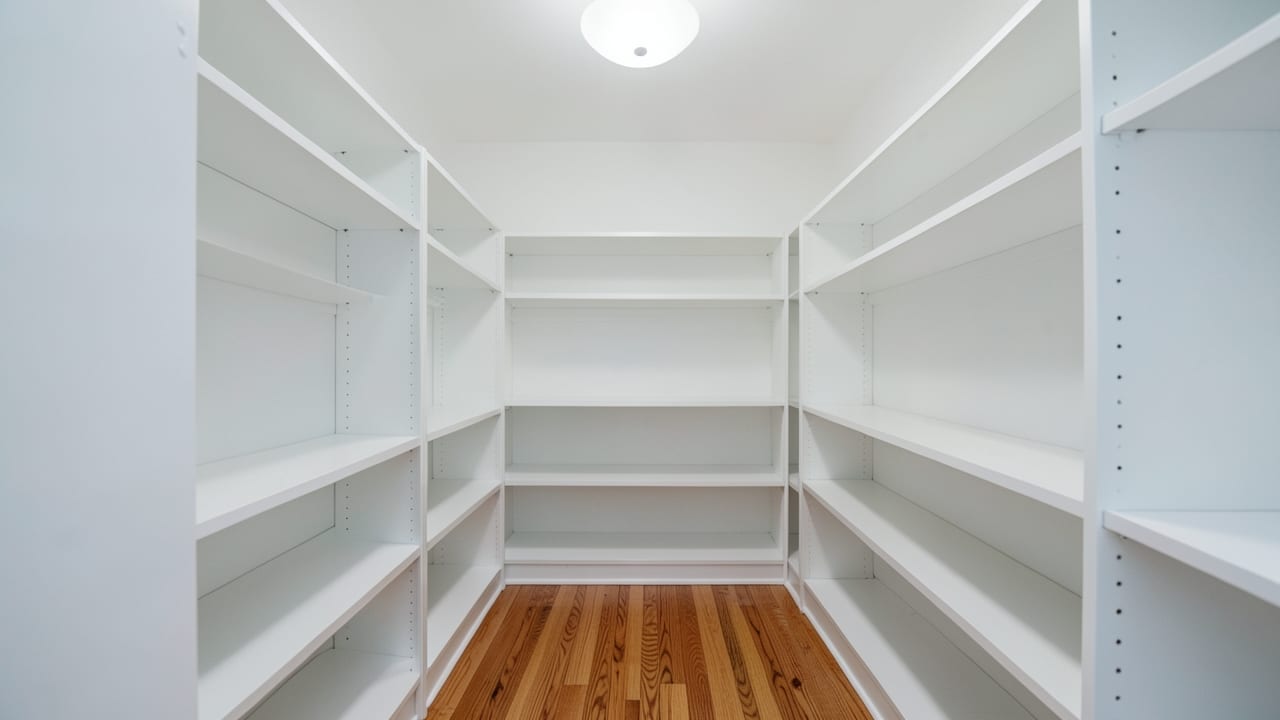
Closet Mold Cleanup in Redondo Beach, CA
Professional cleanup and removal of mold from closets to restore safe, healthy spaces.
Learn More
Condo Mold Remediation in Redondo Beach, CA
Professional removal and treatment of mold in condominiums to restore safe, healthy living spaces.
Learn More
Restaurant Mold Remediation in Redondo Beach, CA
Professional mold removal and remediation for restaurant spaces to ensure safety and compliance.
Learn MoreCommon Questions About Mold Remediation in Redondo Beach
Everything you need to know about mold remediation services in Redondo Beach
How much does Pantry Mold Treatment typically cost in Redondo Beach, CA?
Does coastal humidity around Redondo Beach, CA change how mold risk is assessed?
Can small mold problems be handled without hiring anyone?
What's the actual difference between mold removal and mold remediation?
Is a final clearance test part of a typical mold remediation job?
How does mold remediation actually prevent the problem from coming back?
Need Mold Remediation in Redondo Beach?
Connect with local providers in Redondo Beach for a detailed quote.
⏰ We answer your call • Serving all of Redondo Beach and surrounding areas