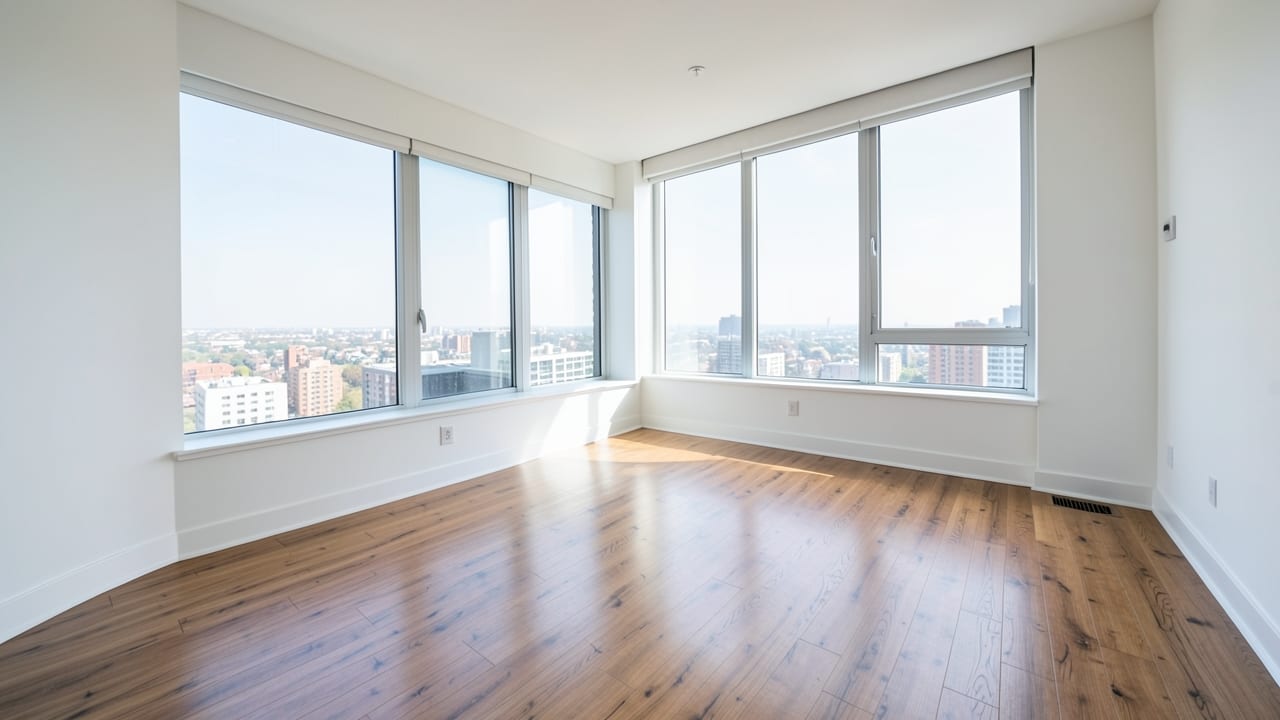
Condo Mold Remediation
Professional removal and treatment of mold in condominiums to restore safe, healthy living spaces.
Condo mold remediation in Redondo Beach focuses on safely removing mold growth from shared or individual units while preventing recurrence. The process includes containment, material removal or cleaning, and moisture control to address the root cause. Proper ventilation and drying are critical to long-term results in the region’s humid climate.
When to call for help
Mold in condos often starts small but can spread quickly if moisture isn’t controlled. A patch larger than 25 square feet, recurring growth after cleaning, or a musty smell with no visible mold are clear signs the issue requires professional attention.
We also handle Pre-Sale Mold Clearance and Post-Remediation Sealing for Redondo Beach properties.
Hidden growth—like inside walls or ductwork—often worsens without proper containment and removal.
Condo layouts, with shared walls and HVAC systems, increase the risk of spores spreading to unaffected units. A breach in containment during removal can turn a contained job into a larger problem, affecting hallways, stairwells, or other living spaces.
Signs Professional Remediation Is Needed
- Mold covers more than a small, isolated patch (25+ square feet).
- Growth returns in the same spot after cleaning, indicating a moisture source wasn’t fixed.
- A musty smell persists with no visible mold, suggesting hidden growth in walls, flooring, or ductwork.
- The HVAC system spreads spores—smell worsens when vents turn on.
- Condo shared spaces (hallways, laundry rooms) show signs of contamination.
What affects cost and timeline?
Pricing for condo mold remediation depends on the size of the affected area, the type of materials involved, and whether the moisture source is addressed during the job. Shared spaces or multi-unit coordination in condos may require additional labor or scheduling adjustments, impacting the total cost.
Structural drying and clearance testing are often billed separately, as they extend the project timeline. Independent testing ensures spore levels return to normal ranges, but it adds time and cost to the overall process.
Prevention after remediation
Fixing the moisture source—whether a leak, poor ventilation, or grading issue—is critical to preventing regrowth. Rooms that stay damp, like windowless bathrooms or closets, benefit from ongoing airflow or dehumidifiers even after remediation. Outside the home, soil grading and downspout placement can reintroduce moisture if not corrected.
Post-remediation checks, like monitoring humidity in the affected room for the first year, help catch early signs of recurrence before it spreads. Clearance testing confirms spore levels are back to normal, but it doesn’t replace fixing the underlying cause.
How condo mold remediation works
Professional remediation follows a structured process to contain, remove, and treat mold safely.
- 1Containment Setup
Plastic sheeting and negative-air machines seal the work area to prevent spores from spreading during removal. Doors and vents are blocked, and airflow is directed outward to keep contamination isolated.
- 2Material Removal or Cleaning
Porous materials like drywall and carpet padding are cut out and bagged, while non-porous surfaces are scrubbed and treated. HEPA-filtered equipment captures spores during the process to avoid recirculation.
- 3Structural Drying
Industrial dehumidifiers and air movers dry framing and subfloors to normal moisture levels. Mold regrows on damp materials even after visible traces are removed, so drying is essential for long-term results.
- 4HEPA Air Scrubbing and Vacuuming
HEPA air scrubbers run continuously during containment, and surfaces are vacuumed with HEPA-filtered tools. Standard filters don’t capture spores, so HEPA equipment is required to prevent further contamination.
- 5Clearance Testing
An independent lab tests air or surface samples after remediation to confirm spore counts are within normal ranges. This step ensures the work area is safe before containment is removed.
Frequently asked questions
What should I do if I see mold in my condo but the HOA says it’s my responsibility?
Document the issue with photos and notes, then check your condo bylaws or insurance policy for coverage details. If the mold is in shared spaces (like hallways or laundry rooms), the HOA may be responsible. For unit-specific issues, professional remediation can help determine whether the problem is your lease obligation or a broader building concern.
Can I clean mold myself if it’s just a small patch?
Small, isolated patches (under 25 square feet) can sometimes be cleaned with detergent, water, and proper ventilation. However, if the mold returns or spreads, professional remediation is needed to address hidden growth and moisture sources. Condo layouts increase the risk of spores affecting shared spaces.
How long does it take to remediate mold in a condo?
Containment, removal, and drying typically take 1–3 days for a single unit, depending on the size and complexity. Clearance testing adds another 1–2 days, as samples must be processed by an independent lab. Shared spaces or multi-unit coordination may extend the timeline.
Will my condo insurance cover mold remediation?
Most policies cover sudden water damage (like a burst pipe) that leads to mold, but gradual issues (like chronic humidity) are often excluded. Review your policy or contact your insurer before starting remediation, as coverage varies by provider and the cause of the mold.
Where Redondo Beach sits, and what the Census lists nearby
Redondo Beach sits in California, and the closest places listed in the U.S. Census Gazetteer are Hermosa Beach (1.4 miles north), Torrance (2.9 miles southeast), Manhattan Beach (3.7 miles north), Lawndale (3.8 miles northeast).
Within 25 miles of Redondo Beach the same source lists 85 distinct incorporated places and census-designated places.
Those figures matter for condo mold remediation because they are straight-line distances between Census coordinate points: road mileage between Redondo Beach and Hermosa Beach runs longer than the 1.4 miles shown, which is why quotes for the same job differ between towns that look close together on a map.
Source: U.S. Census Bureau Gazetteer.
See Florence-Graham, CA for more, or explore everything Redondo Beach homeowners can book with us in one place for our complete lineup.
Ready to get started?
Talk to a local mold remediation pro in Redondo Beach — get a written quote.
Other Mold Remediation Services in Redondo Beach
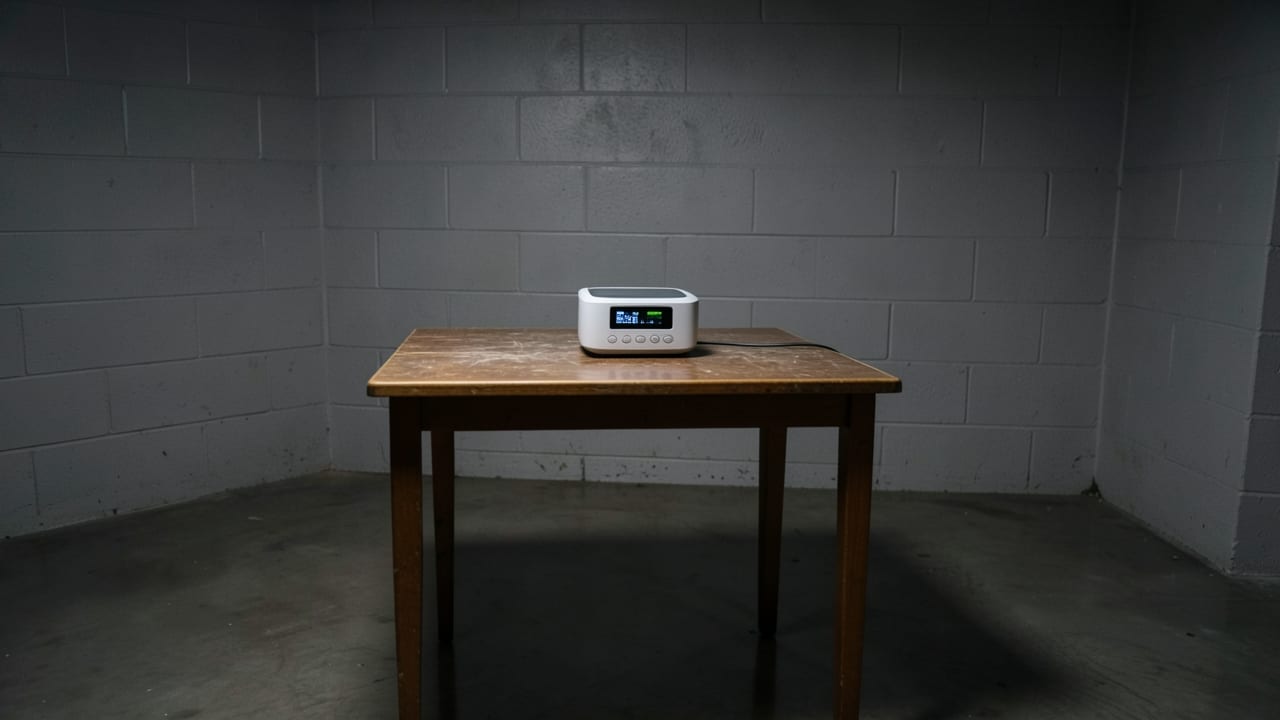
Pre-Sale Mold Clearance in Redondo Beach, CA
Pre-sale mold clearance involves inspection and testing to confirm a property is mold-free before purchase.
Learn More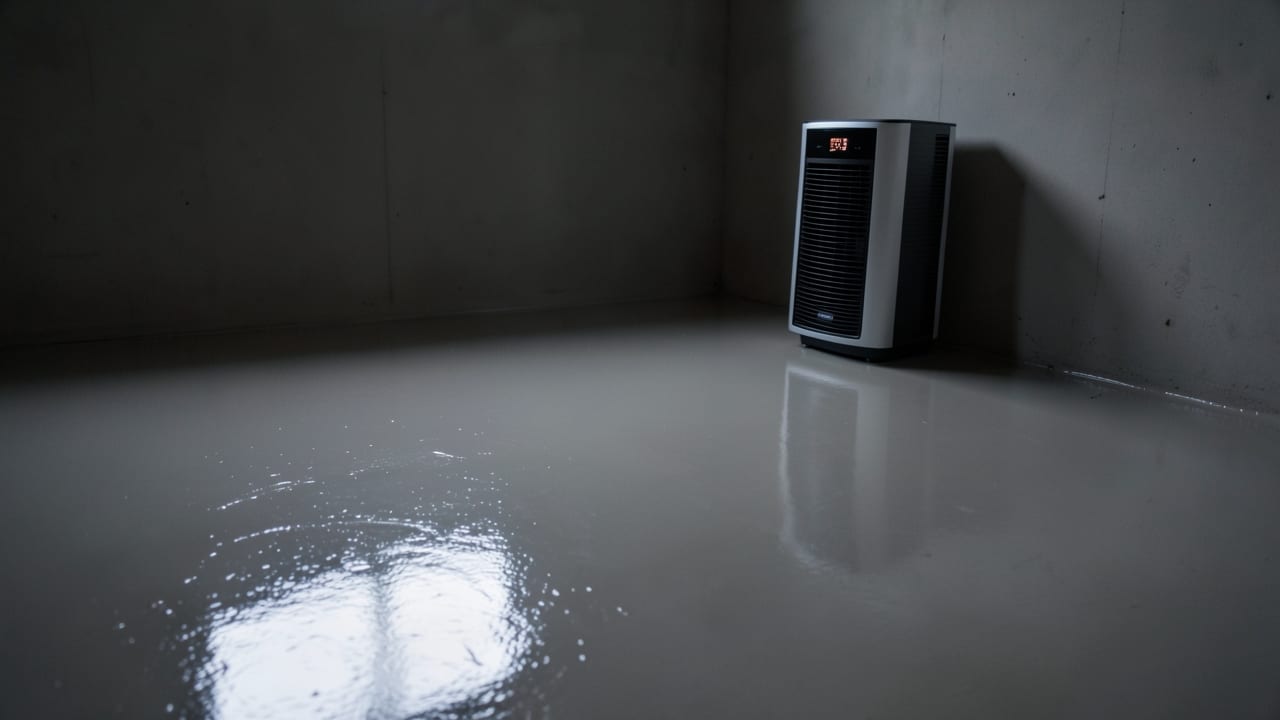
Post-Remediation Sealing in Redondo Beach, CA
Applying protective sealants to surfaces after mold remediation to prevent future growth.
Learn More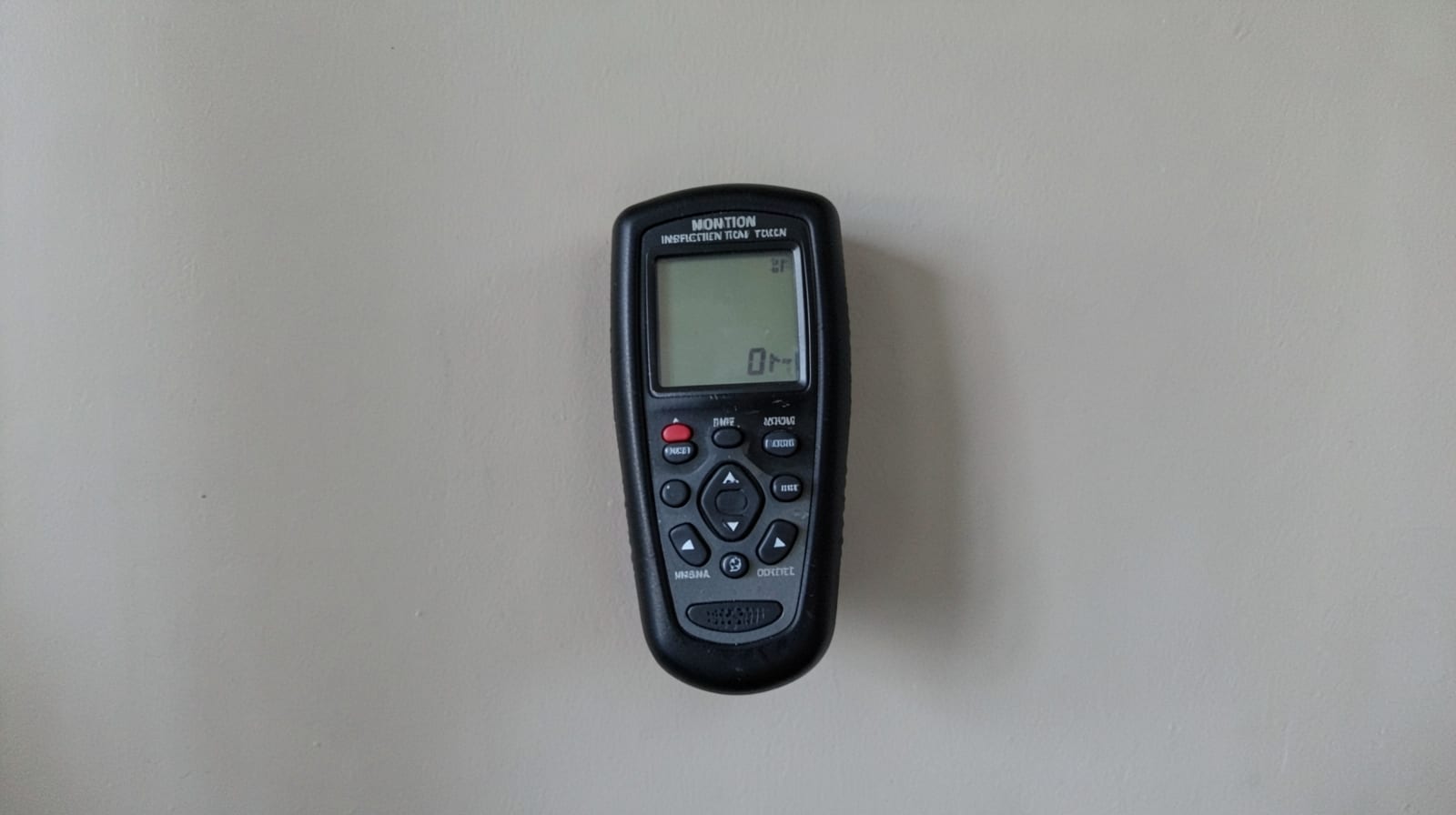
Mold Inspection in Redondo Beach, CA
Mold inspection in Redondo Beach, CA — a visual and moisture-meter assessment that finds the source of growth, not just the visible spot on the wall.
Learn More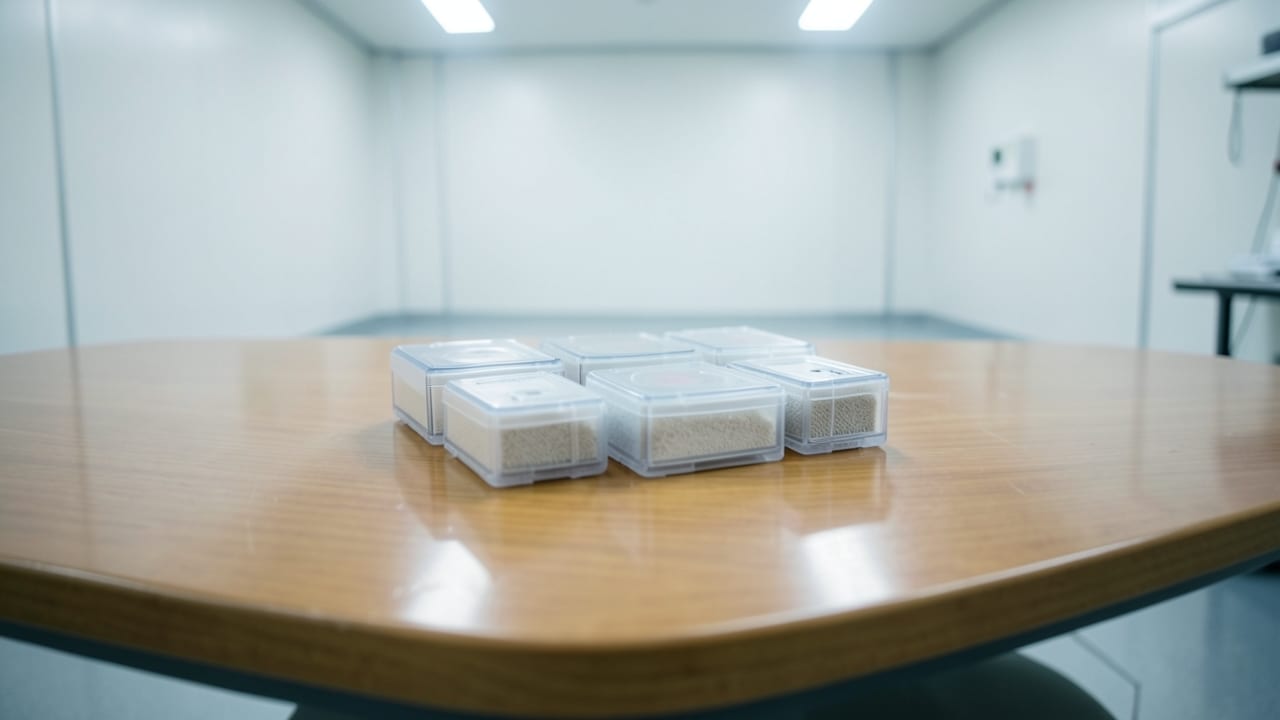
Mold Testing & Air Quality Testing in Redondo Beach, CA
Mold and indoor air quality testing in Redondo Beach, CA — lab-analyzed air and surface samples confirm what's actually growing and whether it's airborne.
Learn More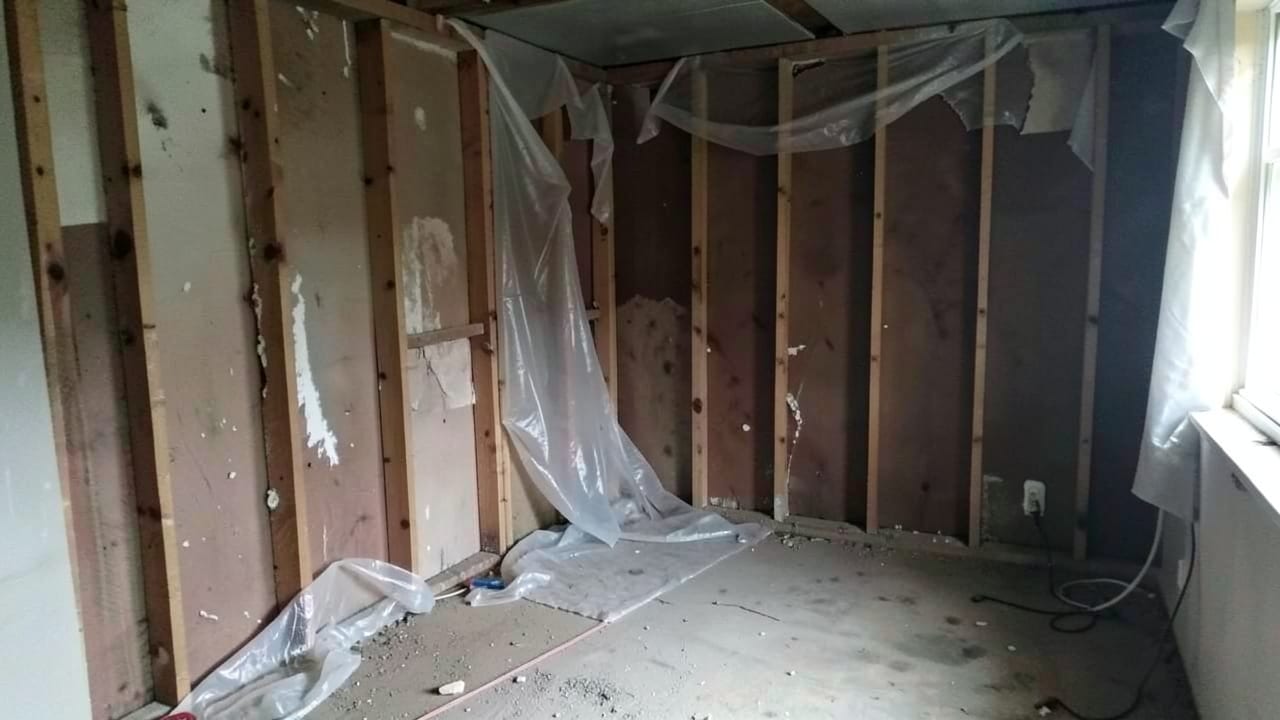
Mold Removal & Remediation in Redondo Beach, CA
Mold removal and remediation in Redondo Beach, CA — containment, HEPA filtration, and removal of affected material following industry (IICRC S520) protocol.
Learn More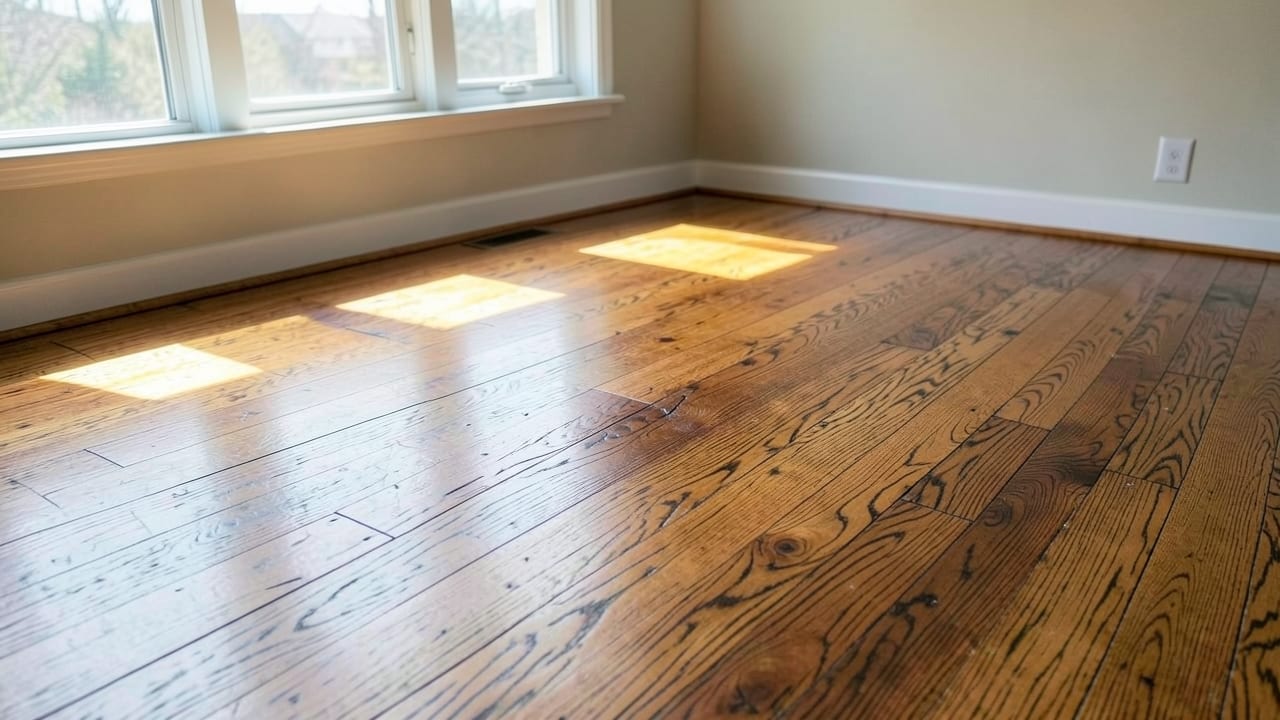
Water Damage Restoration in Redondo Beach, CA
Water damage restoration in Redondo Beach, CA — extraction and structural drying to stop mold growth before it starts, following a leak, storm, or flood.
Learn MoreCommon Questions About Mold Remediation in Redondo Beach
Everything you need to know about mold remediation services in Redondo Beach
How much does Condo Mold Remediation typically cost in Redondo Beach, CA?
Does coastal humidity around Redondo Beach, CA change how mold risk is assessed?
Can mold growing inside HVAC ductwork spread to the rest of a home?
Does mold mean the same thing as mildew?
Does homeowners insurance typically cover mold remediation?
Is black mold actually more dangerous than other mold types?
Need Mold Remediation in Redondo Beach?
Connect with local providers in Redondo Beach for a detailed quote.
⏰ We answer your call • Serving all of Redondo Beach and surrounding areas