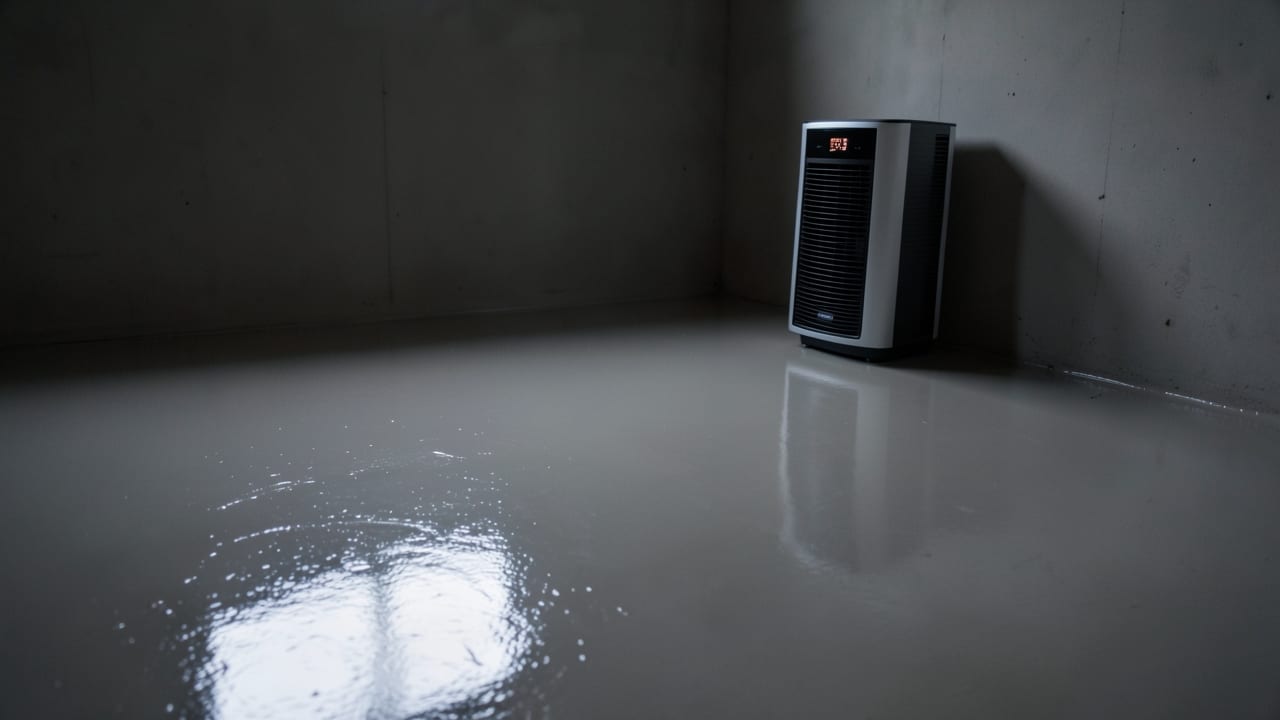
Post-Remediation Sealing
Applying protective sealants to surfaces after mold remediation to prevent future growth.
Post-remediation sealing in Redondo Beach helps protect your home after mold removal by applying specialized coatings to treated surfaces. This step creates a moisture-resistant barrier to reduce the risk of future mold growth, ensuring the effort to remove existing contamination lasts longer.
Proper sealing is especially important in coastal areas like Redondo Beach, where humidity and salt air can accelerate regrowth if moisture isn’t controlled.
We also handle Kitchen Mold Cleanup and Carpet Mold Treatment for Redondo Beach properties.
When is sealing needed?
Post-remediation sealing isn’t required for every mold cleanup, but it’s highly recommended after larger jobs or in areas prone to moisture. If your home has had visible mold covering more than a small patch—especially if it keeps returning after cleaning—sealing helps prevent recurrence.
Coastal homes in Redondo Beach, where humidity and ocean breezes are constant, benefit most from this extra step.
Sealing is also critical in spaces where mold often hides but regrows quickly, such as behind shower walls, under sinks, or in basements. Without sealing, even a fully remediated area can become reinfected if moisture seeps back in.
A musty smell lingering after remediation is a strong sign that hidden growth may still be present, making sealing a smart follow-up.
Signs You Need Post-Remediation Sealing
- Mold covered more than 25 contiguous square feet (a common threshold for professional remediation).
- Visible mold keeps returning to the same spot after cleaning, even with moisture fixes.
- A musty smell remains in the room after remediation, suggesting hidden growth.
- The affected area is in a high-moisture zone (bathrooms, basements, kitchens, or near leaks).
- Your home is in a humid climate like Redondo Beach, where salt air and ocean breezes increase moisture exposure.
What affects cost and scope?
The cost of post-remediation sealing varies based on the size of the treated area, the type of sealant used, and the condition of the surfaces. Basic vapor barriers are less expensive than full encapsulation, which may be needed in high-risk areas.
Labor costs also depend on whether the sealing is done as part of a larger remediation job or as a standalone service.
Surface type plays a role too—smooth, non-porous materials like tile or metal are easier to seal than textured or porous surfaces. Accessibility matters as well; sealing behind walls or in tight spaces takes more time and effort.
Always confirm whether the estimate includes containment setup, air scrubbing, and clearance testing, as these steps are critical but sometimes priced separately.
Common pitfalls to avoid
Skipping containment during remediation can turn a small job into a larger one by spreading spores to unaffected areas. Without proper containment, spores stirred up during removal can drift through hallways or HVAC systems, contaminating new spaces.
Similarly, using non-HEPA air scrubbers or vacuums recirculates spores instead of capturing them, undermining the entire cleanup effort.
Another mistake is sealing without fixing the moisture source first. Even the best sealant won’t prevent regrowth if a leak, condensation issue, or poor ventilation persists. Always confirm that the underlying cause of the mold is addressed before sealing—otherwise, the problem will likely return within months.
Avoid estimates that exclude containment, clearance testing, or a written scope of work. Pressure to sign a contract during the same visit as the inspection is another warning sign—legitimate bids allow time to compare options. Always ask whether the quote covers the full process, from removal to sealing to verification.
How post-remediation sealing works
After mold is removed, sealing creates a protective barrier to prevent moisture absorption and future growth.
- 1Surface Preparation
All treated surfaces are cleaned and dried to remove dust, debris, and residual moisture. Porous materials like drywall may be replaced if mold has penetrated deeply, while non-porous surfaces are scrubbed and treated with antimicrobial solutions.
- 2Sealant Application
A specialized coating—such as an encapsulant or vapor barrier—is applied to the cleaned surfaces. This sealant is designed to block moisture while allowing the material to breathe, reducing the risk of trapped dampness that could fuel regrowth.
- 3Moisture Monitoring
Industrial dehumidifiers and air movers are used to ensure the area reaches normal moisture levels before sealing is complete. This step is critical, as mold can regrow on damp surfaces even after visible contamination is removed.
- 4Clearance Testing
An independent lab conducts air or surface sampling to confirm spore counts are back to normal levels. This test verifies that the sealing was effective and that no hidden mold remains before the area is considered finished.
- 5Final Inspection
The sealed area is inspected for proper coverage and adherence. In high-risk zones, additional monitoring—such as periodic humidity checks—may be recommended to catch early signs of recurrence.
Frequently asked questions
How do I know if my home needs post-remediation sealing?
Sealing is typically recommended after mold covers more than a small patch, keeps returning after cleaning, or is in a high-moisture area like a bathroom or basement. If you’ve had professional remediation, sealing helps protect the treated surfaces from future moisture exposure, which is especially important in humid coastal areas like Redondo Beach.
Can I seal the area myself, or should I hire a professional?
DIY sealing products exist, but professional-grade encapsulants require expertise to apply correctly. A licensed contractor ensures proper surface prep, sealant compatibility, and moisture control—critical steps that DIY methods often miss. Improper sealing can trap moisture or fail to block spores, leading to regrowth.
Will sealing prevent mold from coming back?
Sealing reduces the risk of regrowth by blocking moisture, but it’s not a standalone solution. The underlying moisture source—such as a leak or poor ventilation—must also be fixed. Without addressing the cause, even sealed areas can become reinfected over time.
How long does post-remediation sealing take?
The timeline depends on the size of the area and surface conditions. Small patches may take a few hours, while larger or complex jobs (like sealing behind walls) can take a full day or more. Proper drying and testing before sealing can add extra time, but rushing this step increases the chance of incomplete coverage.
Where Redondo Beach sits, and what the Census lists nearby
Redondo Beach sits in California, and the closest places listed in the U.S. Census Gazetteer are Hermosa Beach (1.4 miles north), Torrance (2.9 miles southeast), Manhattan Beach (3.7 miles north), Lawndale (3.8 miles northeast).
Within 25 miles of Redondo Beach the same source lists 85 distinct incorporated places and census-designated places.
Those figures matter for post-remediation sealing because they are straight-line distances between Census coordinate points: road mileage between Redondo Beach and Hermosa Beach runs longer than the 1.4 miles shown, which is why quotes for the same job differ between towns that look close together on a map.
Source: U.S. Census Bureau Gazetteer.
See Ladera Heights, CA for more, or check out what we cover for Redondo Beach properties in full for our complete lineup.
Ready to get started?
Talk to a local mold remediation pro in Redondo Beach — get a written quote.
Other Mold Remediation Services in Redondo Beach
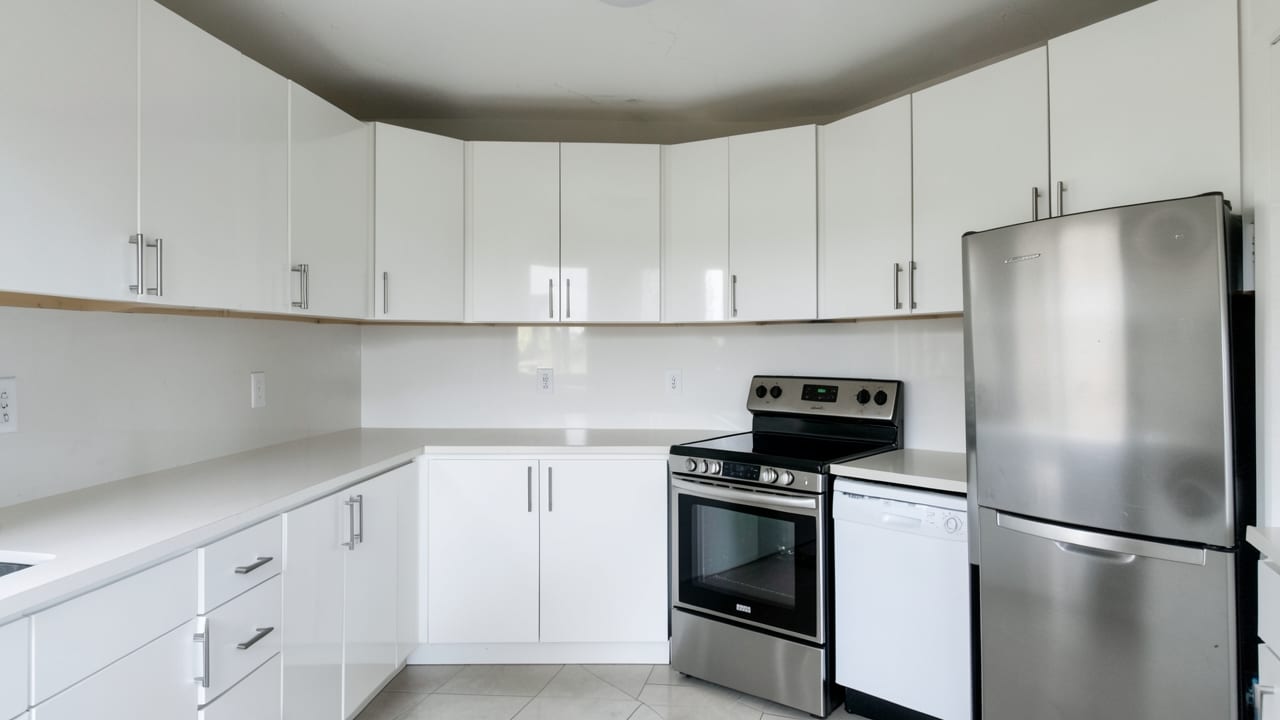
Kitchen Mold Cleanup in Redondo Beach, CA
Professional assessment and removal of mold in kitchen areas to restore a safe, clean environment.
Learn More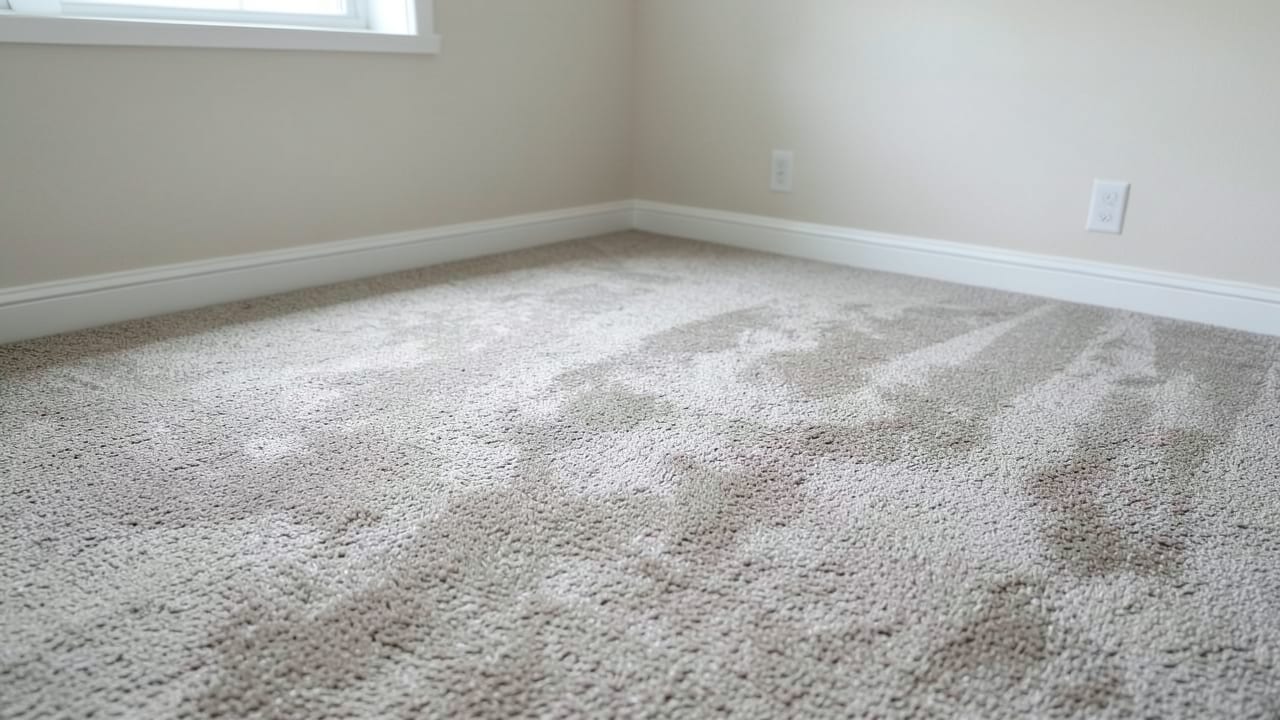
Carpet Mold Treatment in Redondo Beach, CA
Professional assessment and removal of mold growth from carpets to restore a safe indoor environment.
Learn More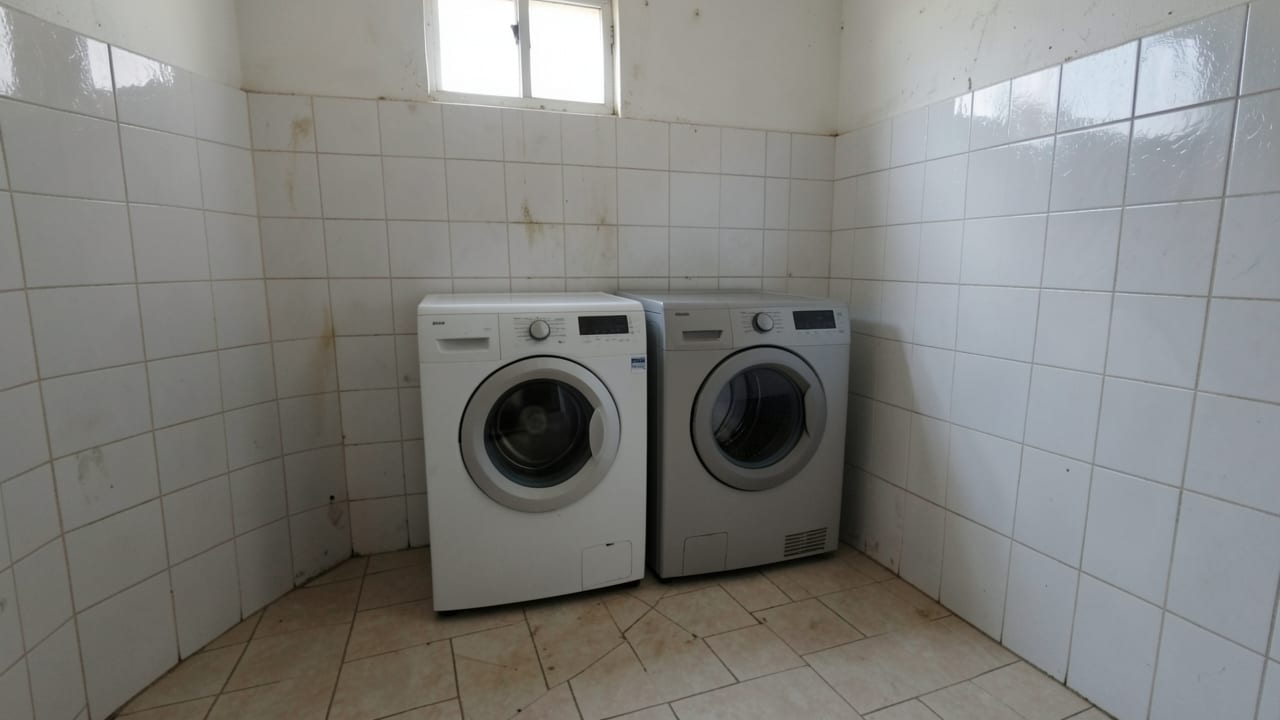
Laundry Room Mold Cleanup in Redondo Beach, CA
Professional mold removal and remediation in laundry rooms to restore a safe, clean space.
Learn More
Plaster Mold Remediation in Redondo Beach, CA
Professional removal and treatment of mold from plaster surfaces in homes.
Learn More
Flood Damage Mold Remediation in Redondo Beach, CA
Professional mold removal and remediation after flood damage in homes.
Learn More
Sewer Backup Mold Cleanup in Redondo Beach, CA
Professional cleanup of mold caused by sewer backups in homes.
Learn MoreCommon Questions About Mold Remediation in Redondo Beach
Everything you need to know about mold remediation services in Redondo Beach
How much does Post-Remediation Sealing typically cost in Redondo Beach, CA?
Does coastal humidity around Redondo Beach, CA change how mold risk is assessed?
How long does a typical mold remediation job take?
Is it safe to stay in the home during mold remediation?
Can small mold problems be handled without hiring anyone?
What's the actual difference between mold removal and mold remediation?
Need Mold Remediation in Redondo Beach?
Connect with local providers in Redondo Beach for a detailed quote.
⏰ We answer your call • Serving all of Redondo Beach and surrounding areas