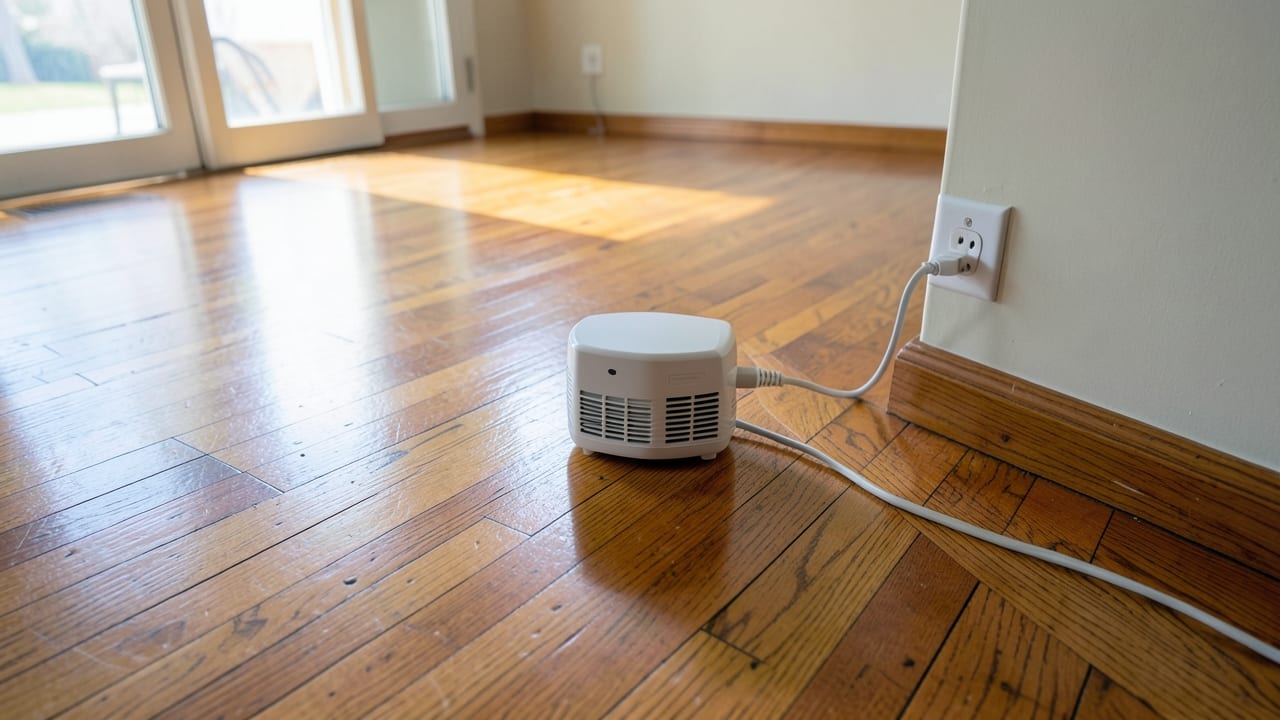
Pet Urine Mold Treatment
Professional removal of mold caused by pet urine in homes, including assessment and treatment.
Pet urine mold in Redondo Beach homes often hides in carpets, subflooring, or walls, creating persistent odors and health concerns. Professional treatment involves containment, removal of contaminated materials, HEPA filtration, and moisture control to prevent regrowth—critical steps that go beyond simple cleaning to address hidden damage safely and effectively.
When pet urine mold needs professional treatment
Pet urine mold isn’t just a stain—it spreads into porous materials like drywall, insulation, and carpet padding, where it thrives if moisture remains.
We also handle Flood Damage Mold Remediation and Sewer Backup Mold Cleanup for Redondo Beach properties.
A small, isolated patch *might* be cleaned with DIY methods, but growth covering more than 25 square feet (a common threshold in states like Texas) or recurring in the same spot signals deeper contamination that requires professional remediation.
Watch for musty odors with no visible mold, smells that worsen when HVAC runs, or damp spots that never dry. These often mean hidden growth in walls, under flooring, or inside ducts. Ignoring these signs lets mold spread, turning a contained job into a larger, costlier problem.
Signs You Need Professional Pet Urine Mold Treatment
- Mold covers more than a small, isolated patch (25+ sq ft is a common professional threshold).
- The musty smell persists or worsens after cleaning, especially when HVAC runs.
- Damp spots or condensation keep reappearing in the same area after drying attempts.
- Visible mold keeps returning in the same spot within weeks of cleaning.
What affects cost and timeline for pet urine mold treatment
Pricing for pet urine mold treatment in Redondo Beach varies project by project, typically after a site visit.
Unlike flat-rate services, costs depend on the size of the affected area, the materials involved (e.g., carpet vs. drywall), and whether specialty treatments—like enzymatic odor removal or pest control for active infestations—are needed.
Timing also depends on drying requirements. Industrial dehumidifiers and air movers may run for days to bring moisture levels down before containment can be removed. Clearance testing, done by an independent lab, adds time but ensures the job meets health safety standards.
Why containment and clearance testing matter
During remediation, plastic sheeting and negative-air machines seal off the work area to prevent spores from drifting into unaffected rooms. Without this, a contained job can become a full-house contamination issue. Skipping containment risks spreading mold through HVAC systems or open doorways, making the problem larger and harder to resolve.
Clearance testing—done by an independent lab after remediation—confirms spore counts are back to normal levels. Without it, there’s no way to verify whether the mold has been fully addressed or if hidden growth remains.
This step is especially critical for pet urine mold, which often lingers in hidden areas like subflooring or ductwork.
Using standard shop vacuums or non-HEPA air scrubbers recirculates spores instead of capturing them, worsening contamination. Removing mold without fixing the moisture source (leaks, condensation, grading issues) leads to regrowth within months.
How pet urine mold treatment works
Professional treatment follows strict steps to contain, remove, and prevent mold regrowth.
- 1Containment Setup
Plastic sheeting and negative-air machines seal the affected area to trap spores during removal, preventing them from spreading to other rooms.
- 2Material Removal or Cleaning
Porous materials like drywall or carpet padding—absorbed with mold—are cut out and bagged. Non-porous surfaces (tile, framing) are scrubbed and treated to kill remaining spores.
- 3HEPA Filtration and Drying
HEPA air scrubbers run continuously, and surfaces are vacuumed with HEPA-filtered tools to capture spores. Industrial dehumidifiers dry framing and subflooring to prevent moisture-driven regrowth.
- 4Clearance Testing
An independent lab tests air or surfaces post-remediation to confirm spore levels are back to normal before containment is removed.
- 5Moisture Source Fix
The underlying cause (leaks, poor ventilation, grading issues) is addressed to reduce the risk of future mold growth.
Frequently asked questions
How do I know if my pet urine mold issue is serious enough for professional treatment?
If mold covers more than 25 square feet, keeps returning after cleaning, or you notice musty smells with no visible growth—especially when HVAC runs—it’s likely time for professional remediation. Hidden mold in walls or ducts often requires specialized tools and containment.
Will treating pet urine mold eliminate the smell completely?
Professional treatment targets both visible mold and hidden sources, but lingering odors may persist if moisture or organic residue remains. Enzymatic treatments can help neutralize smells, but fixing the moisture source is key to long-term results.
How long does the entire pet urine mold treatment process take?
From containment to clearance testing, the process can take several days to a week, depending on the size of the affected area and drying requirements. Industrial dehumidifiers may run for multiple days to ensure moisture levels are safe before the space is reopened.
Do I need to leave my home during the treatment?
You may be asked to vacate the affected area during active remediation to avoid inhaling spores, but the exact requirements depend on the scope of the job. A professional will advise you on safety precautions.
Where Redondo Beach sits, and what the Census lists nearby
Redondo Beach sits in California, and the closest places listed in the U.S. Census Gazetteer are Hermosa Beach (1.4 miles north), Torrance (2.9 miles southeast), Manhattan Beach (3.7 miles north), Lawndale (3.8 miles northeast).
Within 25 miles of Redondo Beach the same source lists 85 distinct incorporated places and census-designated places.
Those figures matter for pet urine mold treatment because they are straight-line distances between Census coordinate points: road mileage between Redondo Beach and Hermosa Beach runs longer than the 1.4 miles shown, which is why quotes for the same job differ between towns that look close together on a map.
Source: U.S. Census Bureau Gazetteer.
See Westmont, CA for more, or see our full crew's Redondo Beach services side by side for our complete lineup.
Ready to get started?
Talk to a local mold remediation pro in Redondo Beach — get a written quote.
Other Mold Remediation Services in Redondo Beach
Flood Damage Mold Remediation in Redondo Beach, CA
Professional mold removal and remediation after flood damage in homes.
Learn More
Sewer Backup Mold Cleanup in Redondo Beach, CA
Professional cleanup of mold caused by sewer backups in homes.
Learn More
Apartment Mold Remediation in Redondo Beach, CA
Professional mold removal and remediation for apartments to restore safe living conditions.
Learn More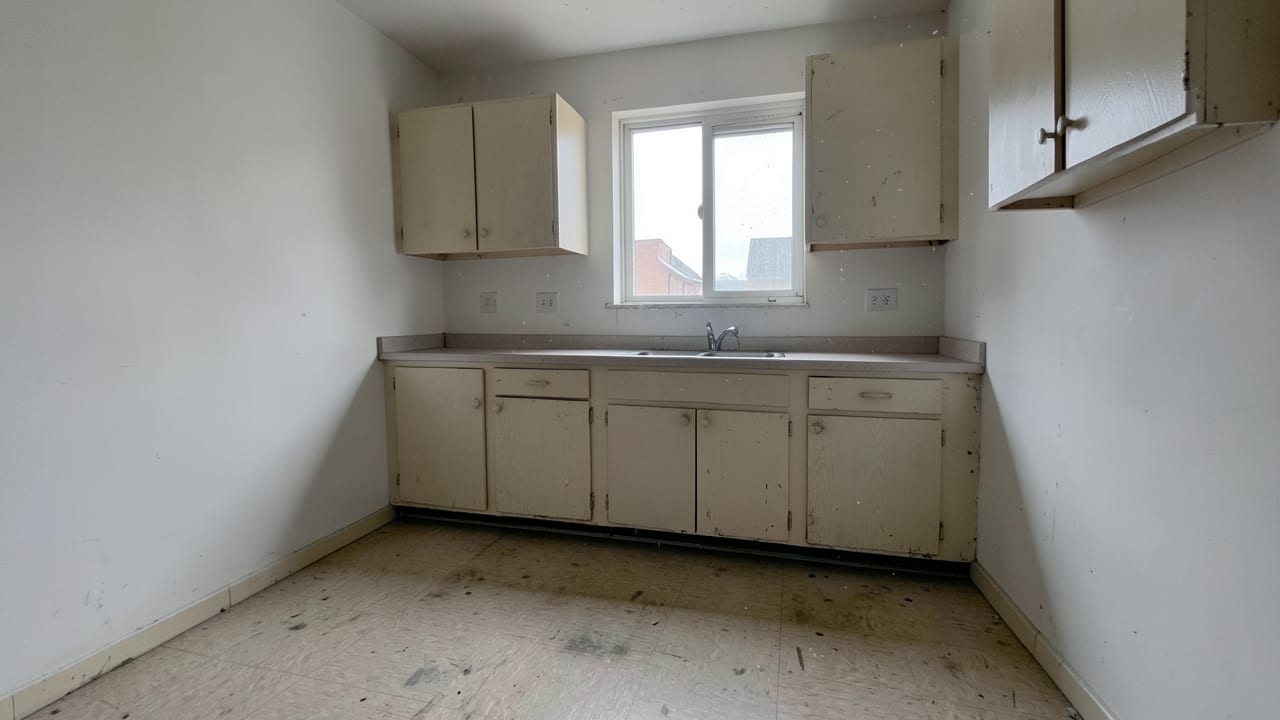
Rental Property Mold Cleanup in Redondo Beach, CA
Professional mold removal and remediation for rental properties to restore safe living conditions.
Learn More
Hospital Mold Removal in Redondo Beach, CA
Professional assessment and removal of mold in hospitals to ensure a safe, healthy environment.
Learn More
Warehouse Mold Cleanup in Redondo Beach, CA
Professional removal of mold from warehouse spaces to restore safe, clean conditions.
Learn MoreCommon Questions About Mold Remediation in Redondo Beach
Everything you need to know about mold remediation services in Redondo Beach
How much does Pet Urine Mold Treatment typically cost in Redondo Beach, CA?
Does coastal humidity around Redondo Beach, CA change how mold risk is assessed?
What's the actual difference between mold removal and mold remediation?
Is a final clearance test part of a typical mold remediation job?
How does mold remediation actually prevent the problem from coming back?
Can mold growing inside HVAC ductwork spread to the rest of a home?
Need Mold Remediation in Redondo Beach?
Connect with local providers in Redondo Beach for a detailed quote.
⏰ We answer your call • Serving all of Redondo Beach and surrounding areas