The Long-Term Costs of Incomplete Mold Remediation in Redondo Beach
Incomplete mold remediation often leaves hidden colonies behind, allowing spores to regrow and spread. In Redondo Beach, the coastal climate accelerates this cycle, turning a small issue into a chronic problem. Homeowners may not see the damage until it’s already costly in both health and repairs.
Why Incomplete Mold Remediation Fails
Mold remediation fails when only visible growth is addressed. Spores embedded in drywall, insulation, or subflooring can survive and regrow if moisture persists.
Improper containment during removal can spread spores to unaffected areas, especially in homes with central HVAC systems. Without sealing off work zones, cross-contamination is likely.
Skipping post-remediation verification leaves no proof the job was thorough. Air and surface testing confirms whether spore counts return to safe levels.
Crawl spaces, attics, and behind kitchen cabinets are common overlooked areas. In Redondo Beach, basements and garages also require attention due to humidity from the nearby coast.
Health Risks of Lingering Mold Exposure
Prolonged exposure to mold spores can trigger respiratory issues, including asthma and chronic sinusitis. Mycotoxins from certain molds may cause neurological symptoms or immune suppression over time.
Children, the elderly, and those with compromised immune systems are at higher risk. Even non-toxic molds can provoke allergic reactions like skin irritation, coughing, or watery eyes.
In Redondo Beach, salt air can exacerbate mold growth in homes, increasing the likelihood of indoor air quality problems if remediation is incomplete.
Structural Damage from Unchecked Mold Growth
Mold breaks down organic materials like wood, drywall, and insulation. Over time, this weakens structural integrity, leading to sagging floors, warped walls, or even roof collapse in severe cases.
Water-damaged wood in attics or crawl spaces attracts termites and carpenter ants, compounding the destruction. In coastal areas like Redondo Beach, moisture from ocean air speeds up this decay.
Corrosion of metal components, such as HVAC ductwork or plumbing, can also occur. This is particularly common in homes near the beach due to salt air accelerating rust formation.
| Material | Typical Mold Impact | Timeframe for Noticeable Damage |
|---|---|---|
| Drywall | Softening, discoloration, crumbling | 3-12 months |
| Wood Framing | Rot, warping, structural weakening | 6-24 months |
| Insulation | Compression, reduced R-value, odor | 3-6 months |
| HVAC Ductwork (Metal) | Corrosion, reduced airflow efficiency | 12-36 months |
| Carpet/Padding | Staining, odor, fiber breakdown | 1-6 months |
Financial Consequences Over Time
Repeated remediation attempts for the same mold problem can cost significantly more than a single, thorough job. Each round may require re-testing, additional containment, and extended labor.
Property value drops when mold issues are disclosed or discovered during inspections. Buyers often demand concessions or walk away, especially in competitive markets like Redondo Beach.
Insurance may deny claims if mold results from neglected maintenance. Documenting moisture sources and remediation efforts can help, but prevention is the surest way to avoid disputes.
Keep records of moisture readings, remediation steps, and post-remediation testing. This paperwork can be critical for insurance claims or resale disclosures.
How Coastal Climate in Redondo Beach Accelerates Mold Growth
The marine layer in Redondo Beach brings consistent humidity, especially in spring and summer. Without dehumidifiers or proper ventilation, indoor moisture levels can stay elevated year-round.
Salt air increases the corrosive potential of mold on metal surfaces, including pipes, ductwork, and appliances. This can lead to leaks or system failures that introduce more moisture.
Temperature fluctuations between day and night cause condensation on windows, walls, and cold surfaces. This creates micro-environments where mold thrives, even if the rest of the home feels dry.
Signs Your Remediation Was Incomplete
Mold returns within weeks or months, often in the same area or nearby. This suggests the root moisture issue was never resolved or spores were not fully removed.
Musty odors persist, even after cleaning. These smells indicate active mold or residual spores in hidden spaces like inside walls or under flooring.
New water stains or discoloration appear on ceilings, walls, or baseboards. These are often the first visible signs of a recurring problem.
Post-Remediation Red Flags
- Visible mold regrowth within 3 months
- Lingering musty odors after 2 weeks
- Increased allergy symptoms among occupants
- New water stains or peeling paint
- High humidity readings (above 50%) in treated areas
Preventing Recurrence: Moisture Control Strategies
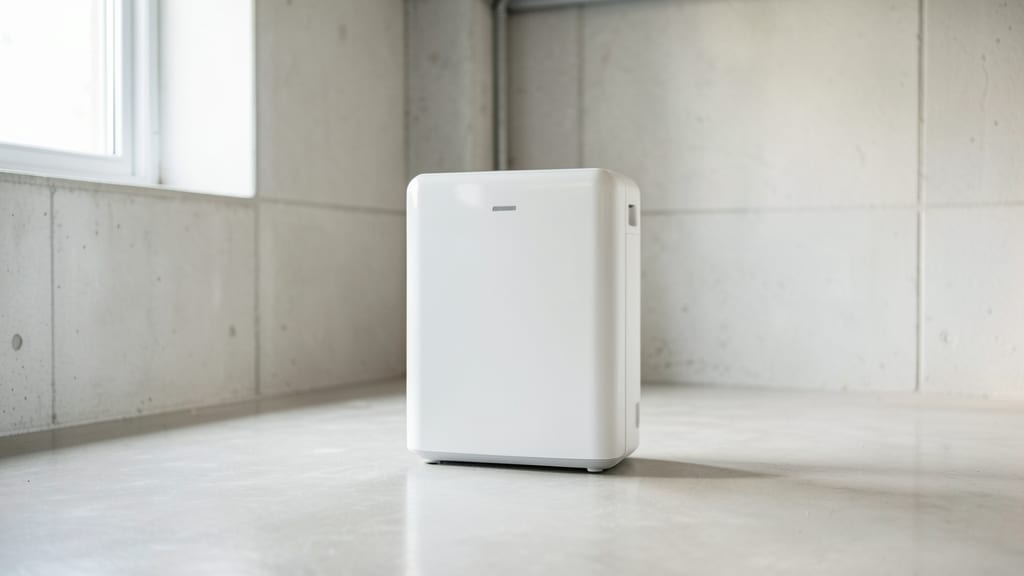
Install dehumidifiers in high-risk areas like basements, crawl spaces, and bathrooms. Aim to keep indoor humidity below 50% to inhibit mold growth.
Improve ventilation in kitchens, bathrooms, and laundry rooms. Exhaust fans should vent outdoors, not into attics or crawl spaces.
Regularly inspect roofs, gutters, and downspouts for leaks or blockages. In Redondo Beach, salt air can corrode gutters faster, so more frequent checks may be needed.
Use moisture-resistant materials in prone areas, such as paperless drywall or closed-cell foam insulation. These are less hospitable to mold than traditional options.
How to Verify a Mold Remediation Was Thorough
A proper verification process ensures mold is fully removed and won’t return.
- 1Visual Inspection
Check all treated areas for signs of mold or water damage. Use a flashlight to inspect dark or hidden spaces like behind appliances or under sinks.
- 2Moisture Testing
Use a moisture meter to confirm that materials like drywall or wood have returned to normal levels (typically below 15% for wood, 1% for drywall).
- 3Air Quality Testing
Collect air samples from treated and untreated areas. Compare spore counts to outdoor levels; indoor counts should be similar or lower.
- 4Surface Testing
Swab or tape-lift samples from surfaces to confirm the absence of mold. This is critical for porous materials that may harbor hidden spores.
- 5Review Documentation
Request a detailed report from the remediation team, including before-and-after photos, moisture maps, and lab results from testing.
Frequently Asked Questions
Can mold return after professional remediation in Redondo Beach?
Yes, if the underlying moisture issue isn’t resolved or if spores weren’t fully removed. Coastal humidity in Redondo Beach means homes are especially vulnerable to recurrence without proper prevention.
How often should I test for mold after remediation?
Test immediately after remediation to confirm success, then again after 3-6 months. If no issues arise, annual testing may suffice, especially in high-risk areas like crawl spaces or attics.
What’s the difference between mold removal and mold remediation?
Mold removal focuses on eliminating visible growth, while remediation addresses the root cause (e.g., moisture) and prevents recurrence. Remediation includes containment, cleaning, and verification steps.
Are there specific mold types common in Redondo Beach homes?
Yes. Cladosporium and Aspergillus are frequent due to the humid, coastal climate. Black mold (Stachybotrys) is less common but can appear after prolonged water damage, such as from roof leaks or flooding.
Does homeowners insurance cover mold remediation in California?
Coverage varies. Most policies exclude mold unless it results from a covered peril, like a sudden pipe burst. Gradual damage from humidity or neglected leaks is typically not covered. Always review your policy and document the cause.
Can I handle mold remediation myself in a small area?
For small, non-porous surfaces (like tile or glass), DIY cleaning with detergent or a bleach solution may work. However, porous materials (drywall, carpet) or areas over 10 sq. ft. require professional remediation to avoid spreading spores.